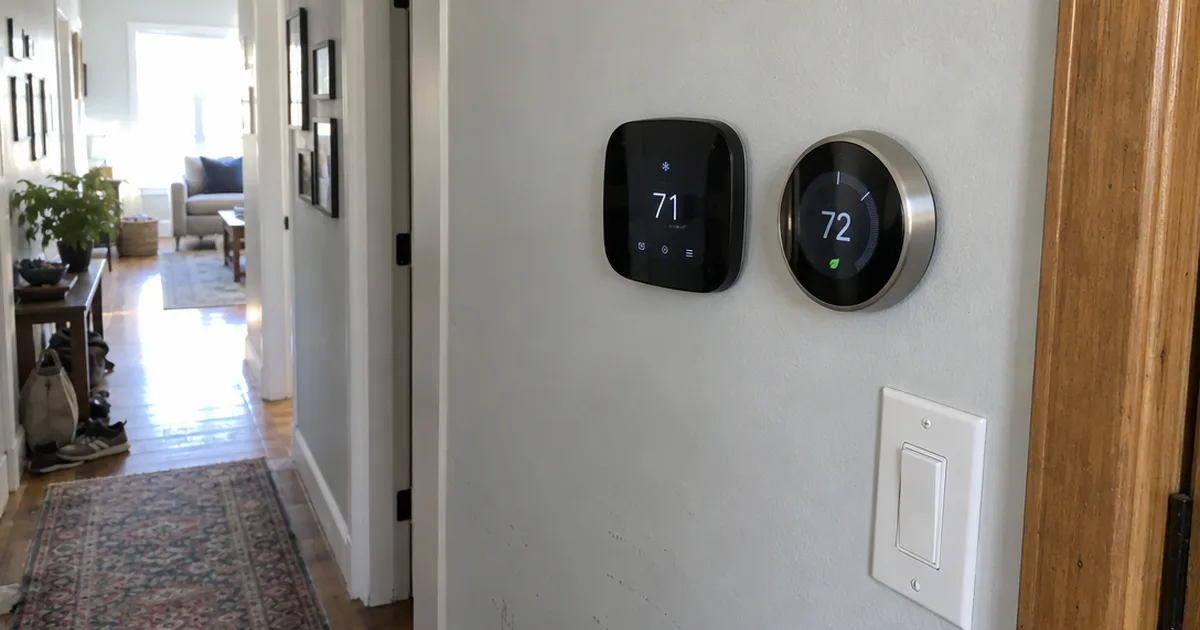
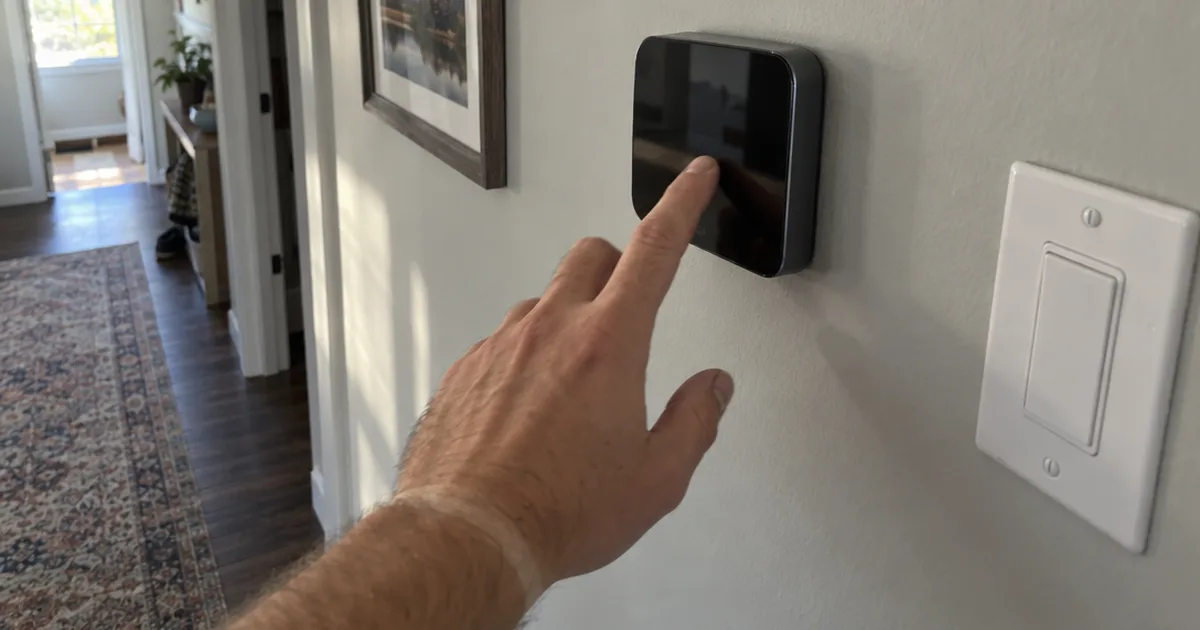
One owner’s ecobee3 ran for six years of daily use without a single hardware failure.
That’s not a lab test. It’s one homeowner’s long-term report, and it sets a useful bar for a thermostat that listed at $129.99 to about $250 in 2025.
But reliability is only half of this ecobee thermostat review.
Ecobee’s best features depend on your wiring, your daily schedule and which of its 3 current models you pick. Below, you’ll get my verdict on each one, the drawbacks owners actually report and the fixes for the common problems.
On a basic furnace-and-AC setup with a tight budget, the Essential does the job.
Rooms that never feel the same temperature point straight to the Premium and its included SmartSensor.
The Enhanced sits in the middle if you want the bigger screen and walk-up sensor without a speaker.
I judged each model on 4 things, using spec sheets, published reviews and owner reports rather than hands-on testing:
- Room sensing and comfort
- Wiring and HVAC compatibility
- Smart home and voice support
- Long-term reliability owners report
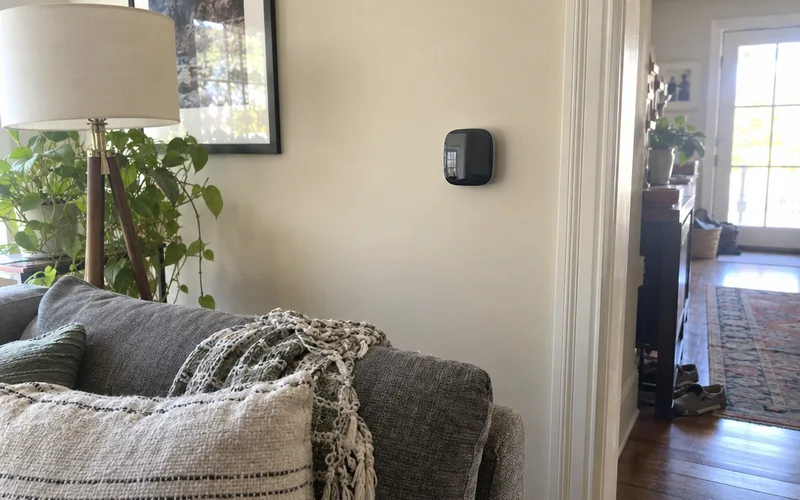
ecobee Smart Thermostat Premium
Ecobee's top thermostat pairs a large touchscreen with an included SmartSensor, an air quality monitor and an Alexa speaker. It works with about 95% of 24V heating and cooling systems.
Pros
- Room sensors track temperature and occupancy
- Works with Apple HomeKit, Amazon Alexa, Google Assistant and SmartThings
- Power Extender Kit included for homes without a C-wire
- Up to 18 months of energy data in Home IQ
Cons
- Needs a C-wire or the Power Extender Kit
- No support for high-voltage baseboard heat
- Sensor coin batteries need replacing about once a year
Key Specifications
| Spec | Detail |
|---|---|
| Current models | Essential, Enhanced, Premium |
| Price (2025) | $129.99 (Essential, March 2025) to about $250 (Premium) |
| Power | C-wire, or the Power Extender Kit (in the Premium box) |
| System type | 24V low-voltage only |
| HVAC compatibility | About 95% (Premium), 85% (Essential) |
| Wire terminals | 6 (Essential), 8 (Enhanced), 12 (Premium) |
| Room sensors | 1 SmartSensor with Premium; sold separately for Essential |
| Air quality monitor | Premium |
| Built-in Alexa speaker | Premium |
| Works with | Apple HomeKit, Amazon Alexa, Google Assistant, SmartThings |
| Energy data | Up to 18 months in Home IQ |
| Certification | Energy Star |
Is an ecobee Thermostat Worth It?
An ecobee thermostat is worth it for most homes with a 24V central heating and cooling system. It pays off most in homes with uneven rooms, changing schedules or an Apple HomeKit setup.
It’s not worth it for line-voltage baseboard heat, which no ecobee supports.
Here’s why it earns that verdict.
Ecobee does one thing better than most rivals: it reads temperature and motion in the rooms you actually use, not just the hallway. That fixes the classic problem of a warm living room and a cold bedroom.
The value also depends on how often your home sits empty. Away-mode savings are real, but they shrink fast if someone is home all day.
So if your house is busy from morning to night, buy an ecobee for comfort and control first. Treat the savings as a bonus.
Who Should Buy an ecobee Thermostat?
An ecobee thermostat suits homeowners who want room-by-room comfort, deep smart home support and detailed energy data from one device. It suits people less who want a thermostat they never have to set up.
Here’s the quick fit check:
- Best for: homes with hot and cold rooms, 2-story houses and anyone on Apple HomeKit, Amazon Alexa or Google Assistant.
- Best for: people who like tweaking settings, since nearly every comfort, fan and humidity setting is adjustable.
- Skip it if: your heat comes from electric baseboard heaters or other high-voltage equipment.
- Skip it if: you want a thermostat that builds its own schedule with no input from you.
That last point is the real split.
Ecobee asks you to set a schedule, then adjusts it with sensors. That suits planners, while people who never want to open an app may prefer a learning thermostat.
Which ecobee Model Should You Buy?
The ecobee Smart Thermostat Premium is the best ecobee for most buyers, because it includes a SmartSensor, an air quality monitor and an Alexa speaker. The Essential is the budget pick at ecobee’s $129.99 list price as of March 2025, and the Enhanced sits between them.
Ecobee’s current lineup replaced the older ecobee3, ecobee3 lite and ecobee4 models that still show up in search results. The Enhanced and Premium arrived in 2022, and the Essential replaced the lite in 2025.
Here’s how the 3 compare in practice:
- Essential: a 2.8-inch LCD touchscreen, 6 wire terminals and no built-in occupancy sensor. Room sensors and the C-wire adapter cost extra.
- Enhanced: the larger screen, 8 terminals and a walk-up sensor, without the speaker.
- Premium: 12 terminals, a SmartSensor in the box, an air quality monitor and Alexa built in.
Compatibility is the hidden difference.
Ecobee rates the Essential for about 85% of 24V systems, compared with about 95% for the Premium. So if you run a heat pump with auxiliary heat or a multi-stage system, skip the Essential and check your wiring first.
Price swings matter too. Homeowner Stephen Smith wrote in February 2022 that he bought his ecobee3 lite on sale for $180, so watch for sales before paying full price.
The Essential, Enhanced and Premium breakdown goes feature by feature.
Does an ecobee Thermostat Need a C-Wire?
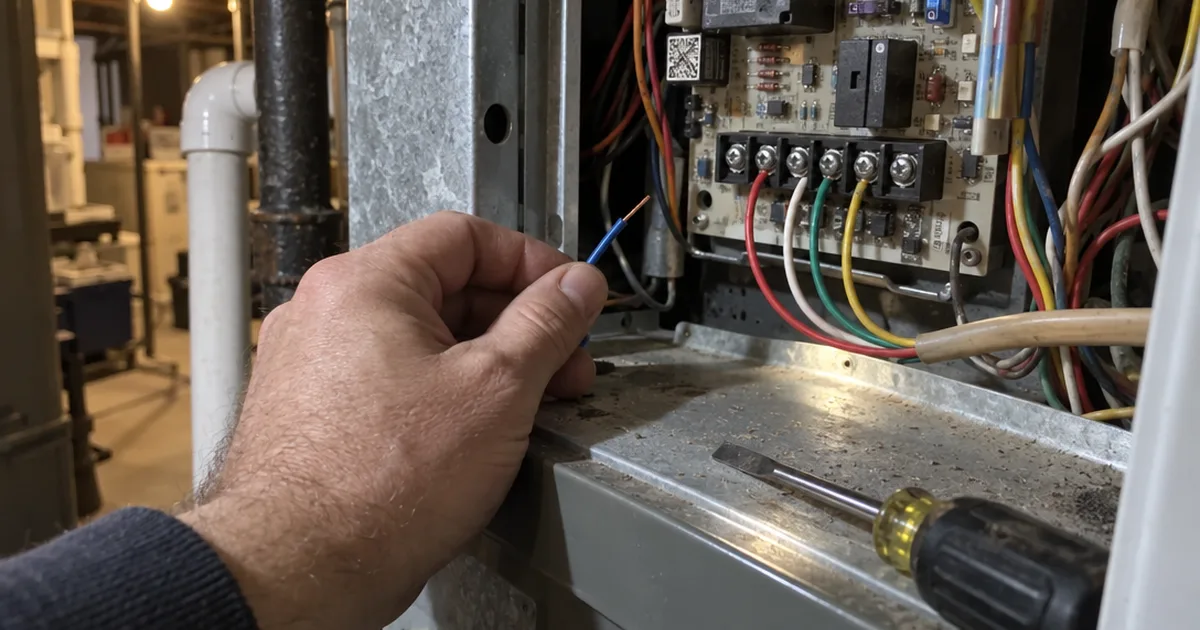
Every ecobee thermostat needs constant 24V power from a C-wire or from ecobee’s Power Extender Kit, which creates that power at your furnace. The kit comes in the Premium box but is sold separately for the Essential.
A C-wire, or common wire, is the wire that gives a smart thermostat steady power. Older homes often don’t have one.
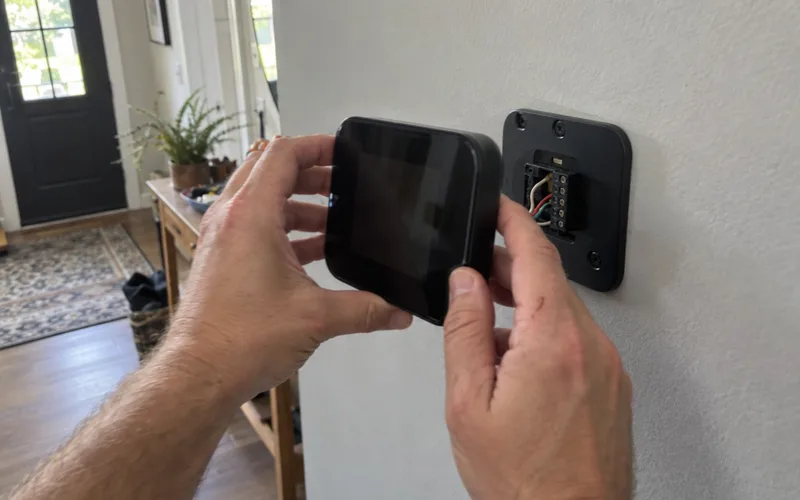
If you see a wire on the C terminal behind your old thermostat, setup is the easy kind. The ecobee app walks you through each wire with pictures, and it can match your wire colors to the right terminals.
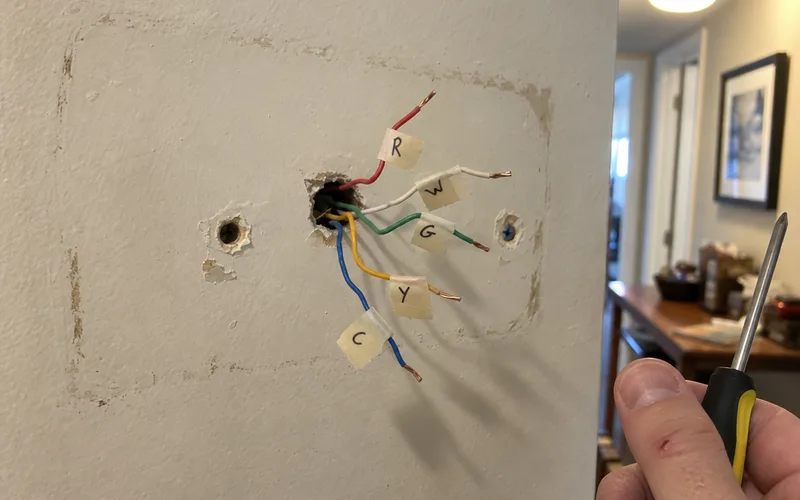
Without a C-wire, the job moves to your furnace control board. Installing the Power Extender Kit means reading a wiring diagram at the HVAC unit, so turn off power at the breaker first.
Note: no ecobee can run high-voltage heat such as electric baseboard heaters. Check this before you buy, because no kit fixes it.
For step-by-step help, follow the Enhanced install walkthrough or the Premium install steps. The thermostat C-wire basics show what to look for behind the wall plate.
And if you’d rather hire it out, check professional installation costs before you book.
How Does ecobee Know When You’re Away?
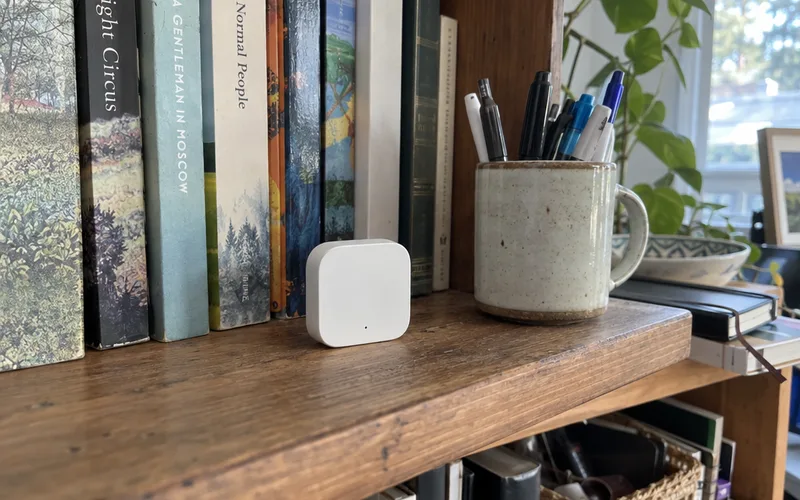
Ecobee knows you’re away when its built-in occupancy sensor and SmartSensors stop detecting motion for a while during a scheduled home period. It then switches to away settings, and it switches back to home when the sensors pick up motion again.
Ecobee calls this feature Smart Home/Away, and its weak spot is quiet time.
Sit still on the couch long enough and the sensors see no motion. To avoid false alarms, the thermostat waits a long stretch before deciding you’ve left, so it’s also slow to switch when you really go.
That’s where geofencing helps.
Geofencing uses your smartphone’s location to tell the thermostat you’re on your way home. It’s built into the ecobee mobile app for iOS and Android, but it only tracks one person unless you add third-party tools.
The Essential has no built-in motion detector, so it needs add-on sensors before Smart Home/Away can work.
Are ecobee SmartSensors Worth It?
Ecobee SmartSensors are small room sensors that report temperature and occupancy back to the thermostat, and they’re the main reason to buy an ecobee. They let the system balance a warm office or a cold bedroom against the rest of the house.
Here’s how it works:
Follow Me uses temperature readings only from the rooms where sensors detect people. If you’re in the office and the kids are in the living room, it averages those 2 rooms.
You can also pick which sensors count for each comfort setting. For example, use only a bedroom sensor at night so the room you sleep in sets the temperature.
Plan for one small chore. One owner, David Mello, reports that the sensors’ CR2032 coin batteries last roughly 10 to 12 months each.
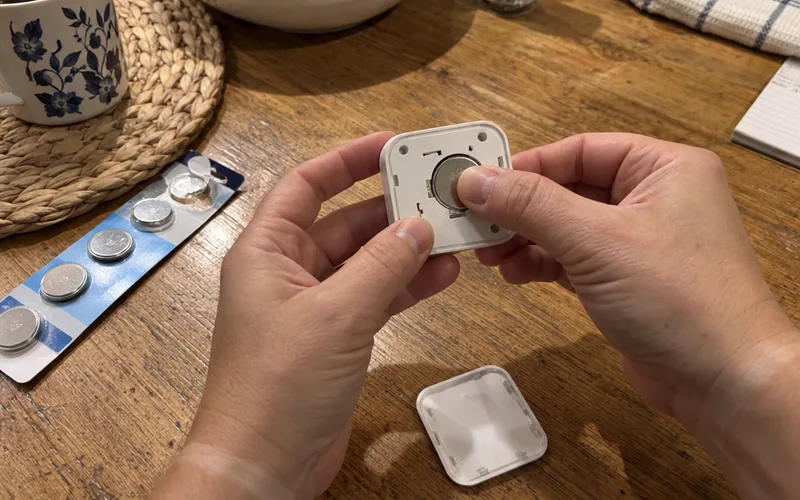
Pro Tip: Keep a spare pack of CR2032 cells in a drawer, and follow the sensor battery replacement steps when the low-battery alert shows up.
If a sensor’s reading looks off compared with a separate thermometer, run through temperature sensor calibration before you blame the hardware.
Does an ecobee Thermostat Actually Save Money?
An ecobee thermostat saves money mainly when your home sits empty part of the day, because away mode stops heating and cooling empty rooms. The savings shrink sharply if someone is home most of the time.
In fact, Mello found that once he switched to remote work, his away-mode savings largely disappeared because someone was almost always home. Even so, he says the finer scheduling and humidity control beat his old 7-day programmable thermostat.
So what does that mean for you?
If you work outside the home, away mode and Smart Recovery do the heavy lifting. Smart Recovery uses the weather and your system’s past performance to start early, so the house hits your target right when you get home.
If you’re home all day, use the energy data instead. Home IQ keeps up to 18 months of runtime history, so you can see whether new insulation or a schedule change cut your runtime.
Ecobee thermostats are also Energy Star certified, and many power companies pay rebates for them.
Does ecobee Work With HomeKit, Alexa and Google Home?
Ecobee thermostats work with Apple HomeKit, Amazon Alexa, Google Assistant and Samsung SmartThings, so voice control works on almost every major platform. The Premium also has Alexa built in, with its own speaker and microphone.
That broad support is a big part of the ecobee appeal.
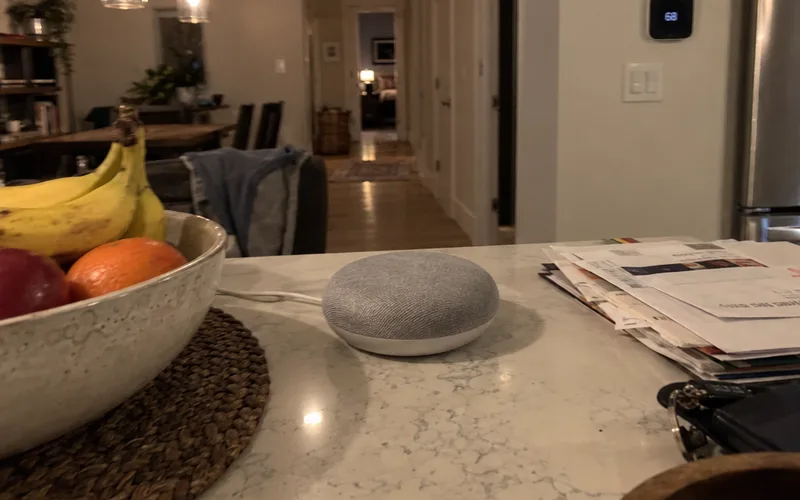
For example, an iPhone home can use the Home app and Siri. An Alexa home can use an Echo speaker or the Premium itself.
IFTTT adds simple automations with your other devices.
The Premium’s speaker can play Spotify too, but treat that as a bonus rather than a reason to buy. If voice control and music don’t matter to you, the Enhanced gives you the same core thermostat without it.
If you’re still choosing a platform for your whole house, start with your home automation plan and pick the thermostat that fits it.
What Does the ecobee Air Quality Monitor Track?
The ecobee Premium’s air quality monitor tracks indoor carbon dioxide and chemical pollutants and alerts you in the app when they rise. It’s a Premium feature, not part of the Essential.
Those indoor air quality alerts tell you when to open a window, run ventilation or swap an HVAC filter.
We found no outside tests of how accurate the sensor is. So treat it as a heads-up for changes in your home, not a lab-grade instrument.
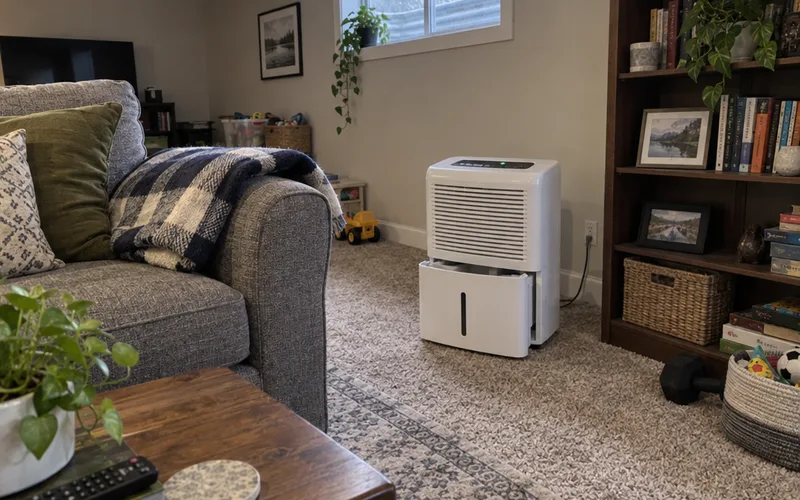
Humidity control is the other comfort perk to know.
AC Overcool Max lets the air conditioner run past your cooling set point to pull more moisture out of the air. That helps in humid homes, and some models can also run one whole-house humidifier or dehumidifier.
The ecobee App and What Happens Without Wi-Fi
The ecobee app controls every current ecobee thermostat from iPhone or Android, and the thermostat keeps working on its own when Wi-Fi drops. You lose remote and voice control until the connection returns, but the touchscreen and your schedules keep running.
That offline behavior matters more than most reviews admit, because it decides what happens while you’re away.
Mello reports that without internet you can still change the temperature on the touchscreen and your schedules keep running. The catch is that you can’t fix a vacation schedule from the road until the thermostat reconnects.
Setup has one known hiccup too. Smith couldn’t get Wi-Fi setup working through the app, so he typed his password into the thermostat’s touchscreen instead.
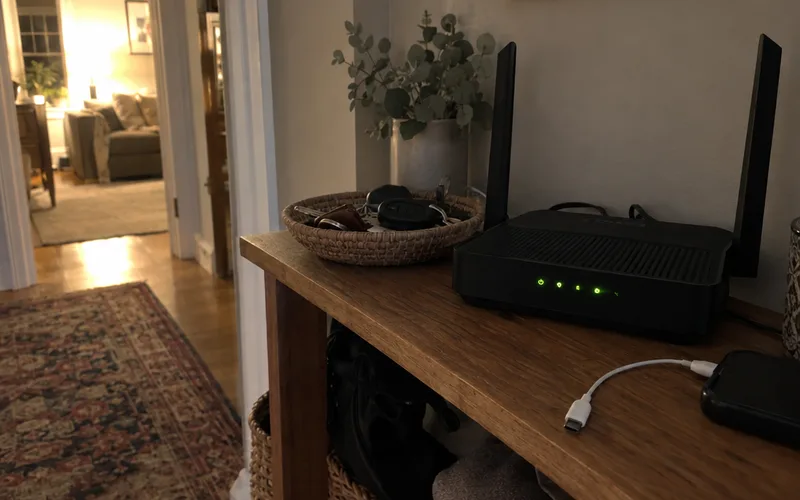
If yours won’t stay online, work through the Wi-Fi connection fixes first. A thermostat reset is the next step when a restart doesn’t help.
What Are Some Common Problems With ecobee Thermostats?
The most common ecobee problems are dropped Wi-Fi, a blank screen from lost power, and heat or AC that won’t turn on. Most start with wiring or settings and have simple fixes.
Here are the ones owners report most:
- Lost internet connection. Smith’s fix was to pull the thermostat off its base for ten seconds and reconnect it, which he needed twice in a few months.
- Thermostat won’t power on. A blank screen usually points to the C-wire, the Power Extender Kit or a tripped breaker, covered in ecobee won’t turn on.
- AC won’t start. Check the cooling wire and equipment settings using the AC not turning on checklist.
- No heat. Furnace and heat pump settings cause most cases, and the no-heat troubleshooting steps walk through them.
- A sensor drops off. Mello had one sensor lose its connection during the first year, and it later fixed itself.
One more annoyance comes from the design itself.
Ecobee runs everything through a schedule, so a manual temperature change only lasts until the next scheduled change. Smith wished for a simple override mode, so plan to adjust the schedule itself when your routine changes.
How Long Should an ecobee Thermostat Last?
An ecobee thermostat should last many years, and one owner reports no hardware failures from his ecobee3 in over six years of daily use. Mello says his unit still works exactly as it did on day one.
That’s one owner’s result, not a guarantee.
Still, the main unit has no batteries to wear out, since it runs on wired 24V power. The parts you’ll replace are the sensor coin cells, about once a year.
Firmware updates do take the thermostat out of action briefly while they install. Smith noticed one that made it unusable for about half an hour.
Ecobee vs Nest and Other Alternatives
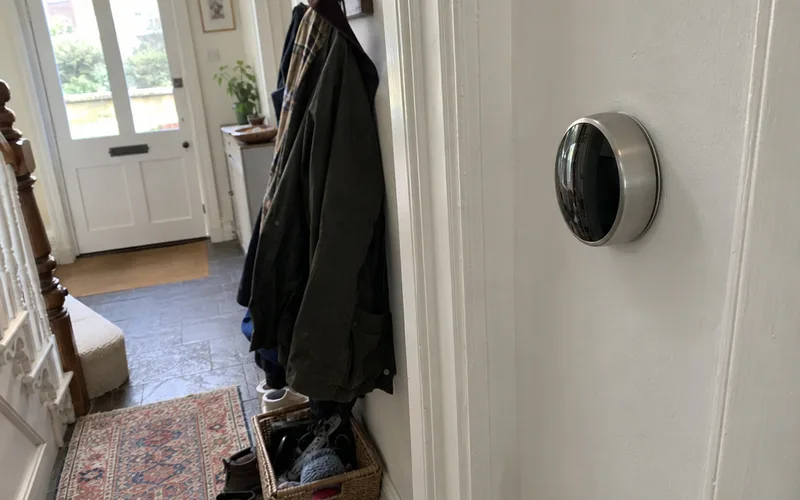
Ecobee beats the Google Nest Learning Thermostat for most homes, because ecobee sensors detect people and ecobee has long worked with Apple HomeKit. Nest is the better pick if you want a thermostat that builds its own schedule.
The head-to-head on sensors, wiring and fees is in the ecobee vs Nest comparison, and Google’s own lineup is covered in the Nest thermostat reviews.
Two other names come up often.
Honeywell Home is the other big thermostat brand shoppers weigh, and the ecobee vs Honeywell matchup shows where each wins. Amazon also sells its own model, covered in the Amazon Smart Thermostat review.
My Bottom Line on ecobee
Ecobee is the smart thermostat to beat for homes with uneven rooms and a 24V system.
Pull your current thermostat’s cover this week and look for a wire on the C terminal.
That one look tells you whether you can install an ecobee today or need the Power Extender Kit first.
Frequently Asked Questions
Do ecobee thermostats work well?
Yes, ecobee thermostats work well on most 24V central heating and cooling systems, and their room sensors are the main reason owners pick them. One owner, David Mello, reports no hardware failures from his ecobee3 in six years of daily use.
How much does an ecobee thermostat cost?
An ecobee thermostat listed at $129.99 for the Essential, ecobee’s cheapest model, as of March 2025, and about $250 for the Premium in 2025 reviews. Prices change and sales bring them down, so compare the current price on all 3 models before you buy.
Can I install an ecobee thermostat myself?
Yes, most people can install an ecobee thermostat themselves when the old thermostat already has a C-wire, because the ecobee app walks through each wire with pictures. Without a C-wire, the Power Extender Kit means wiring at the furnace, so hire an HVAC pro if that work is new to you.
Does ecobee work with a heat pump?
Yes, ecobee thermostats work with heat pumps, including systems with up to 2 stages of auxiliary heat. Check your exact wiring with ecobee’s online compatibility checker before you order, especially for the Essential.
Does ecobee work with electric baseboard heaters?
No, ecobee thermostats don’t work with electric baseboard heaters or other high-voltage heating, because they’re built for 24V low-voltage systems. Look for a thermostat made for line-voltage heat instead.