A single Zigbee network can theoretically hold around 65,000 devices.
A Z-Wave network stops at 232, and that smaller network can still be the smarter buy.
That’s the catch in Zigbee vs Z-Wave: the biggest number on the spec sheet rarely decides anything in a real house.
So I’ll compare the 2 on 8 things you’ll actually feel, with a winner for each, then tell you which one fits your devices.
Lights and sensors on a tight budget point to Zigbee.
A front door lock and a house full of wall switches lean Z-Wave.
Already own an Echo Show 8 (3rd gen)? You may have a Zigbee hub on your shelf.
Zigbee vs Z-Wave at a Glance
Zigbee beats Z-Wave on speed, network size, device cost and getting started, while Z-Wave wins on frequency, range per device and cross-brand compatibility. Most figures come from a January 2026 Security.org comparison, and device limits come from the hub maker Homey.
Here’s the head-to-head:
| Category | Zigbee | Z-Wave | Winner |
|---|---|---|---|
| US frequency | 2.4 GHz | 908.4 MHz | Z-Wave |
| Speed | 250 kbps | 100 kbps | Zigbee |
| Range per device | 35 feet | Up to 100 feet | Z-Wave |
| Mesh hops | Unlimited | 4 | Zigbee |
| Devices per network | About 65,000 | 232 | Zigbee |
| Encryption | AES-128 | AES-128 | Tie |
| Across brands | Varies by maker | Certified to work | Z-Wave |
| Device cost | Often lower | Often higher | Zigbee |
| Hub | Some Echo models | Z-Wave hub needed | Zigbee |
| Overall | Lights and sensors | Locks and switches | Zigbee |
The radio should follow the device you want, not the other way round.
What Is Zigbee?
Zigbee is a low power wireless communication protocol for smart devices, and Security.org ties it to the IEEE 802.15.4 standard. The Connectivity Standards Alliance, formerly the Zigbee Alliance, maintains it and has over 500 member companies.
In plain English, a communication protocol is a shared language for IoT devices. Two devices that speak it can talk, and two that don’t can’t.
Zigbee devices form a mesh networking topology, so each plugged-in device passes messages along instead of every device shouting at the hub. The hub maker Homey says every mains-powered device acts as a repeater, which means your first smart plugs also extend your network.
That’s why Zigbee sits behind so many cheap home automation products. Estimates in that same review put Zigbee at over 500 million devices worldwide, and the main Zigbee device types run from bulbs to buttons.
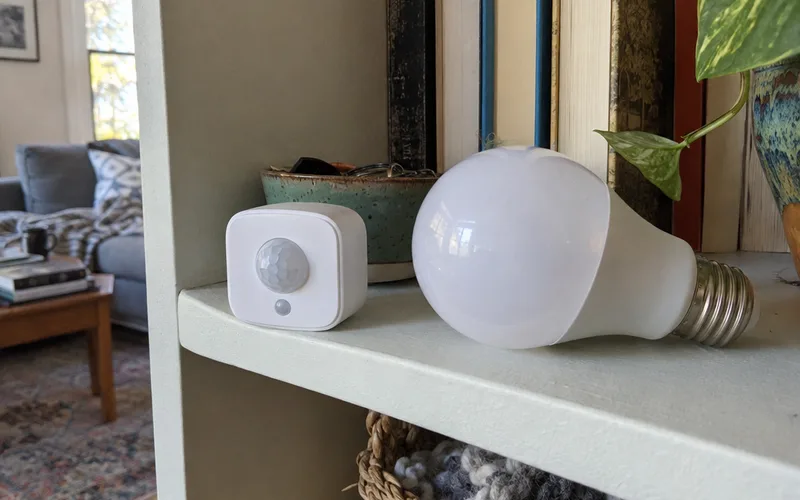
So if you’re starting with bulbs and sensors, the Zigbee ecosystem gives you the most choice.
What Is Z-Wave?
Z-Wave is a low power mesh protocol that runs at 908.4 MHz in the US, and Aqara dates it back to 1999. Z-Wave Alliance data cited by Security.org shows over 100 million devices worldwide and more than 4,500 certified products from 700+ makers.
That frequency band is the whole personality of Z-Wave. This radio frequency sits far below the 2.4 GHz band your home network and Wi-Fi routers fill up.
The tradeoff is regional. American Z-Wave products won’t work with European devices at 868.4 MHz, so skip that cheap import listing.
The same review calls Z-Wave proprietary, owned by Silicon Labs and licensed to makers. It calls Zigbee open-source, an open standard any maker can use.
In other words, one company controls the Z-Wave license, and that can shape what you pay.
Homey says Z-Wave leans toward switches, relays, thermostats and locks, so if you use Apple Home, start by checking for a Z-Wave hub for HomeKit.
Which Is Faster, Zigbee or Z-Wave?
Zigbee is faster than Z-Wave, at 250 kbps against 100 kbps on Security.org figures. On latency, that same page puts a lights-on command at about 20 milliseconds for Zigbee and roughly 50 for Z-Wave.
Does a 30 millisecond gap matter? Not for a single bulb.
You won’t notice it day to day. Zigbee earns its speed when a scene fires many devices at once.
Winner: Zigbee, though you’ll rarely feel it.
Zigbee can also use 915 MHz in the US, but it’s limited to 40 kbps there.
Which Has Better Range Through Walls?
Z-Wave has the better range through walls, with up to 100 feet per device against 35 feet for Zigbee on Security.org figures. Its lower frequency passes through walls and floors more easily, but treat those numbers as a guide, because published range figures conflict.
For example, one Aqara comparison lists 100 meters of transmission distance for both protocols. The same post then says Zigbee starts at just 10 meters.
So don’t plan around a brochure figure. Homey notes that signals can still be affected by concrete walls and floors or metal pipes, and those change more than the label does.
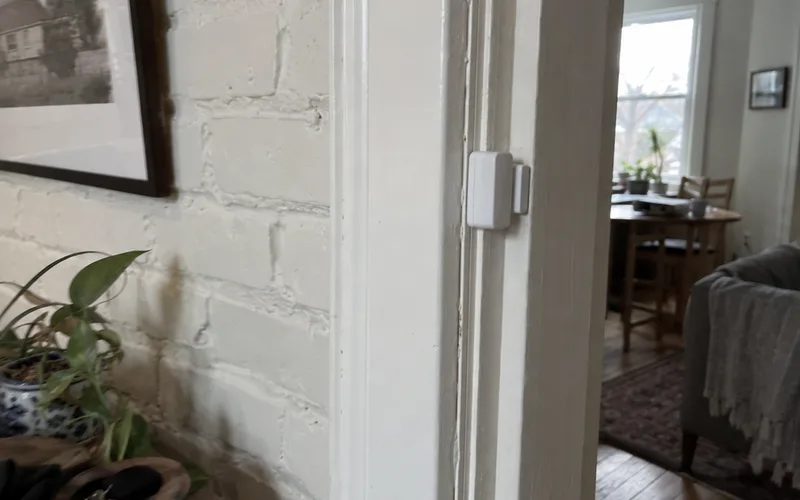
Mesh closes much of the gap. Zigbee supports unlimited hops while Z-Wave Plus is limited to 4 on those same figures, and each hop is another device routing the signal.
Here’s how to read that for your home:
- Homes under 3,000 square feet: Z-Wave range often means fewer repeaters.
- Apartments and small homes: Homey says Zigbee is often a good match.
- Concrete or metal in the way: add a plugged-in repeater near the problem spot.
Winner: Z-Wave, per device.
Does Zigbee Interfere With Wi-Fi?
Zigbee can interfere with Wi-Fi, because Zigbee uses 2.4 GHz, the same band that Wi-Fi and Bluetooth use worldwide. Security.org says using that frequency may cause interference with Wi-Fi networks, while Z-Wave stays clear of it.
Network congestion is the real issue in apartments. Homey says your neighbors’ Wi-Fi and Bluetooth add to the 2.4 GHz chatter.
Z-Wave isn’t perfectly clean either, since it may interfere with some cordless phones on low-frequency bands.
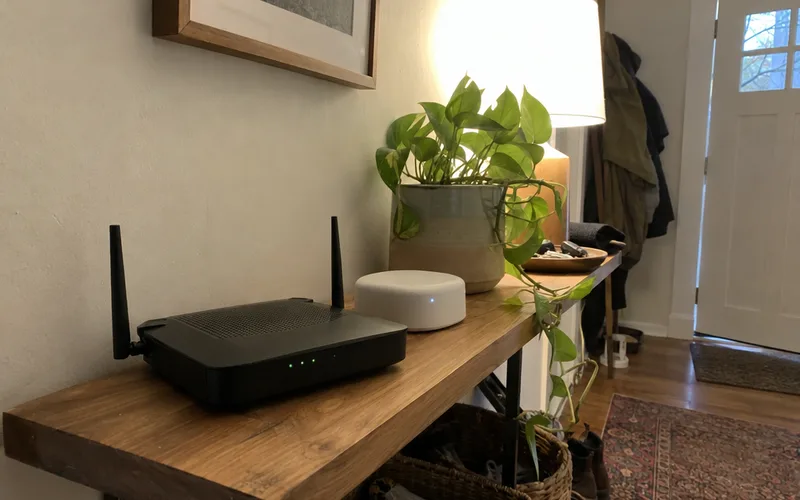
The fix for Zigbee is simple: don’t build a home of only battery devices. Homey says a couple of smart plugs in key rooms can turn a delay into an on-time response.
Winner: Z-Wave.
Is Zigbee Cheaper Than Z-Wave?
Zigbee devices are usually cheaper than Z-Wave devices, and Homey rates Zigbee as often more budget-friendly and Z-Wave as often slightly pricier. Security.org gives one reason: makers pay royalty fees to use Z-Wave, which can add to device costs.
No reliable source I found puts a single percentage on the gap, so get your own number in 5 minutes.
Pick 1 device type, such as a door contact sensor. Search a big retailer for it with “Zigbee” and again with “Z-Wave”, then compare the 3 cheapest of each.
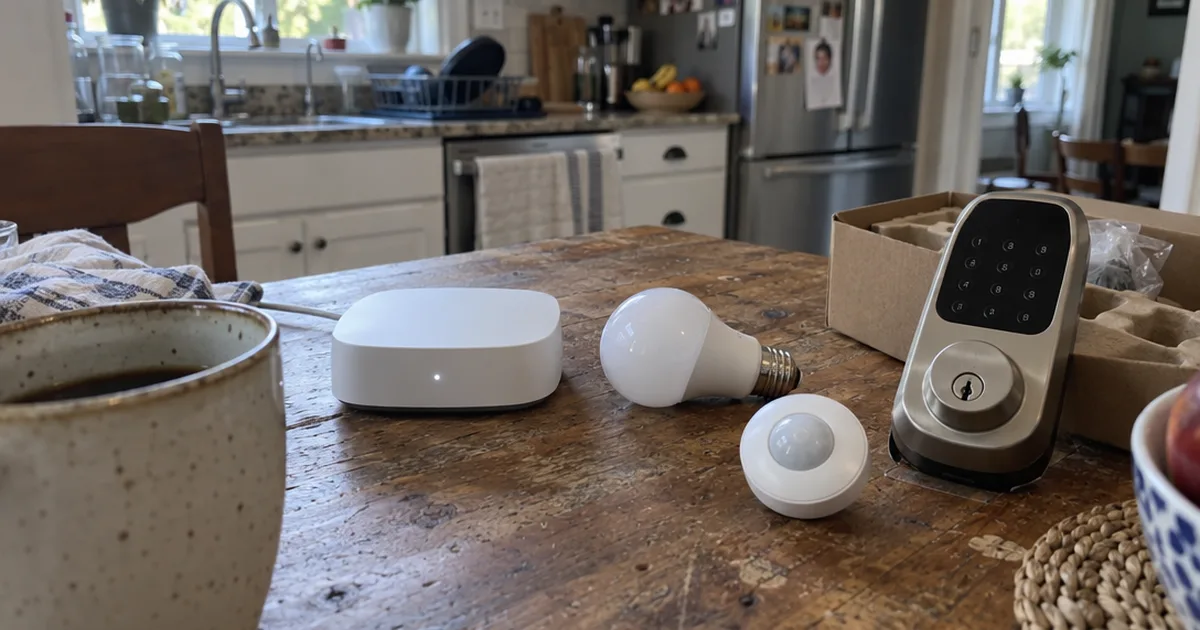
Selected Amazon Echo models can run Zigbee with no separate hub, while Aqara says Z-Wave devices need a Z-Wave hub, so a first device can cost you a hub too.
Winner: Zigbee.
Which Has Better Battery Life?
Neither protocol wins battery life outright, because Homey says motion and door sensors on both can run for years on a single coin cell. Those sensors sleep until something triggers them, then wake for a moment to send a signal.
The one hard efficiency number I found points to Z-Wave. A 2025 Aqara table lists 40mA of power consumption for Zigbee and 2.5mA for Z-Wave, and Aqara sells Zigbee gear, so it has no reason to flatter Z-Wave.
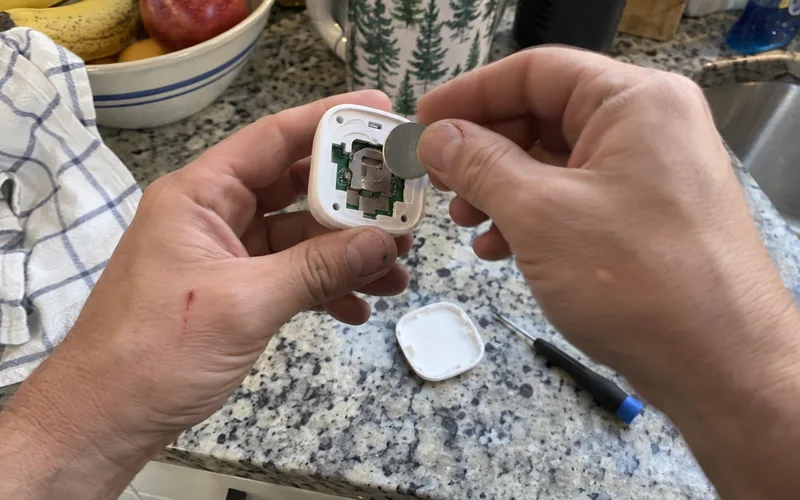
Still, that table gives no test conditions, so compare the battery rating on the actual device instead.
Winner: tie, unless a specific device says otherwise.
How Many Devices Can Each Network Handle?
Z-Wave supports up to 232 devices per network, while Zigbee can theoretically handle around 65,000, according to Homey. That’s a real gap on paper, and most households will never reach either limit.
Those extra nodes matter for scalability in big commercial buildings. In a house, mesh reliability matters more.
Homey says a setup of mostly battery sensors with no powered devices can feel unreliable on either protocol.
Winner: Zigbee on paper, tie in a home.
Which Is More Secure, Zigbee or Z-Wave?
Zigbee and Z-Wave tie on security, because Security.org says both use AES-128 symmetric encryption. Z-Wave added the Security 2 (S2) framework for extra authentication, and Zigbee 3.0 added install codes and trust center link keys.
The most famous scare is the 2018 Z-Shave case, which that review blames on how a manufacturer built Z-Wave into its smart locks, not on the protocol itself.
So buy current hardware. Look for S2 on a Z-Wave lock and Zigbee 3.0 on a Zigbee device.
Winner: tie.
Which Works Better Across Brands?
Z-Wave works better across brands, because Security.org says every Z-Wave Plus certified device is guaranteed to work with every other one, whoever made it. That interoperability comes from mandatory certification testing.
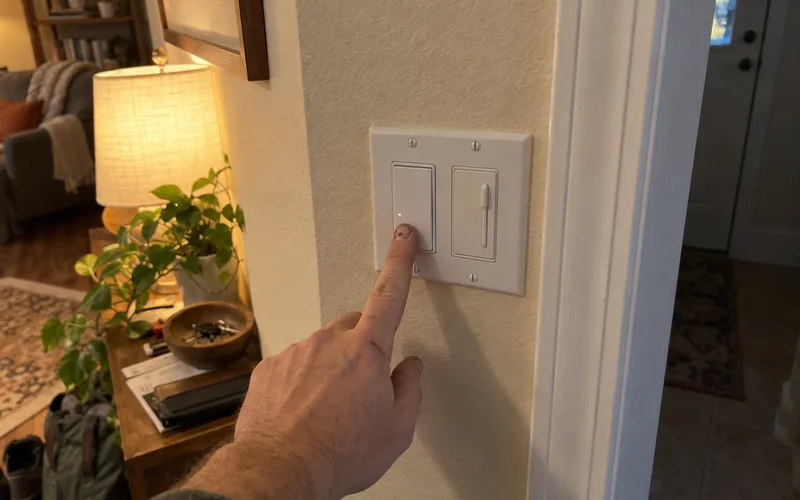
Zigbee is looser. Some makers, including Philips Hue and IKEA TRÅDFRI, build their own versions that may require their own hubs or have limited compatibility.
The good news? Zigbee 3.0, introduced in 2016, offers much better cross-compatibility than earlier versions.
So before you buy any Zigbee device, check that your hub lists that exact model, and start from a Zigbee hub with broad support.
Winner: Z-Wave.
Can Zigbee and Z-Wave Work Together?
Zigbee and Z-Wave can work together in the same home through a hub with both radios, though the 2 protocols can’t talk directly. An Aqara comparison table lists each as not compatible with the other, so your hub is the gateway device that translates.
Homey says its hub supports both natively, so a Zigbee motion sensor can switch on a Z-Wave light switch.
Security.org says the Aeotec Smart Home Hub, the official SmartThings hub, has both radios too. The SmartThings hub review covers that platform.
Each protocol still builds its own mesh, so a Zigbee plug won’t repeat a Z-Wave signal. Homey adds that automations run on the local hub, so your lights still work if the internet drops.
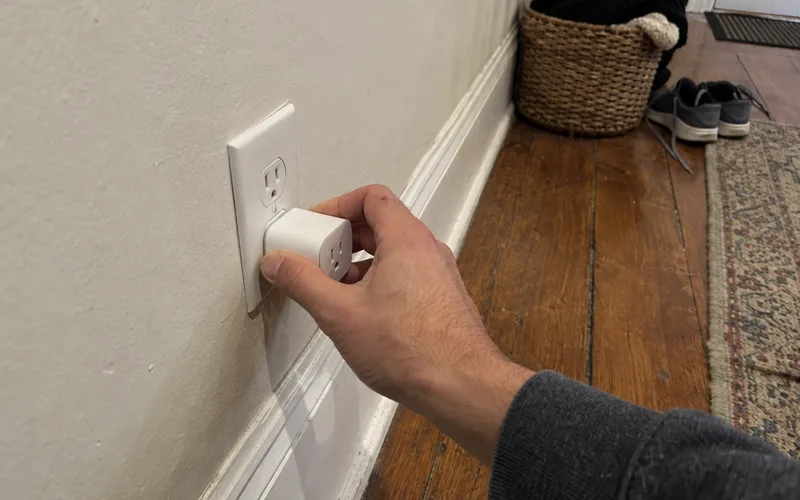
If you run Home Assistant, the choice stays device-first, so compare Zigbee hubs for Home Assistant with Z-Wave hubs for Home Assistant.
Is Zigbee or Z-Wave Better for Smart Locks?
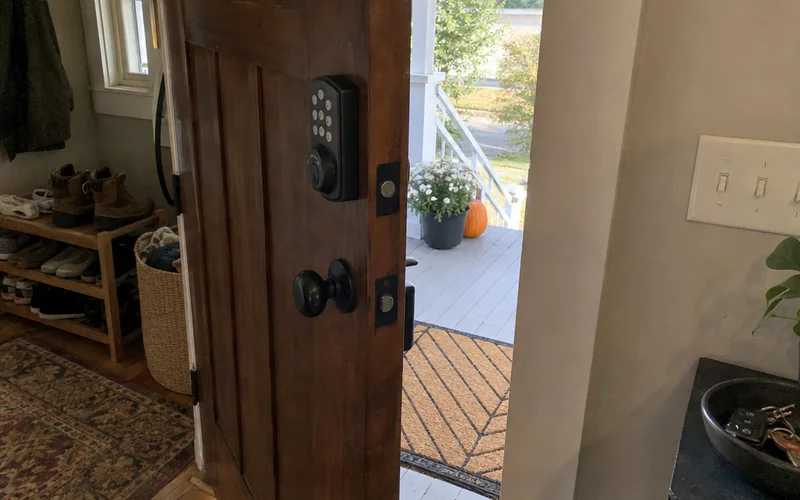
Z-Wave is the better choice for most smart locks, because a front door can sit far from your hub and Z-Wave gives you up to 100 feet per device on Security.org figures. Homey also lists locks among the backbone devices Z-Wave suits.
Zigbee still works if a powered Zigbee device sits close to the door, so confirm the lock supports your hub before you buy.
Will Matter Replace Zigbee and Z-Wave?
Matter is not replacing Zigbee or Z-Wave for now, and Aqara says Matter doesn’t exist to replace them. Security.org counted over 1,000 Matter-certified products in January 2026, far fewer than either older catalog.
The same alliance now oversees Zigbee and Matter, which positions Zigbee well for future integration.
So your gear isn’t a dead end. If you’re weighing all 3, Zigbee vs Z-Wave vs Matter goes deeper, and the protocols overview adds Thread, Wi-Fi and Bluetooth.
Who Should Choose Zigbee
Zigbee is the right choice for budget lighting, lots of sensors and homes that already have a compatible Amazon Echo.
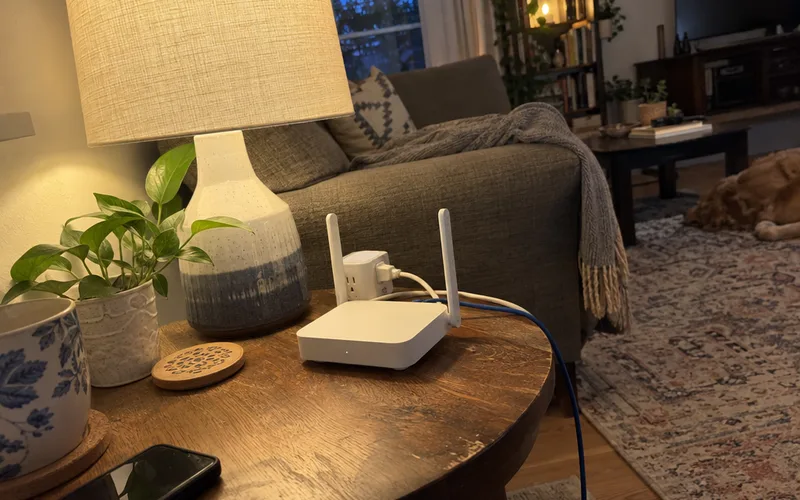
Choose Zigbee if any of these sound like your house:
- You want bulbs, motion detectors, contact sensors and buttons.
- You live in an apartment or small home, where devices sit close together.
- You use Amazon Alexa on an Echo Show 8 (3rd gen) or a 4th generation Echo, which connect to Zigbee devices with no separate hub.
- You want to add Zigbee devices a few at a time.
Skip Zigbee if your Wi-Fi is already crowded and your first buy is a lock on a far door.
Who Should Choose Z-Wave
Z-Wave is the right choice for smart locks, in-wall switches, relays and larger homes with thick walls.
Choose Z-Wave if any of these sound like your house:
- Your first device is a lock or a set of smart switches and dimmers.
- You have thick walls or floors between rooms, where up to 100 feet per device helps.
- You’re happy to buy a dedicated Z-Wave hub, or already own a smart home hub with a Z-Wave radio.
Skip Z-Wave if your budget is tight and you mainly want lights and sensors.
Frequently Asked Questions
Is Zigbee still relevant?
Yes, Zigbee is still relevant: Aqara said in April 2025 that Zigbee and Z-Wave remain relevant even as Matter spreads, and Security.org reports estimates of over 500 million Zigbee devices worldwide. If a Zigbee sensor fits your hub today, you can buy it with confidence.
Can Zigbee pass through walls?
Yes, Zigbee passes through normal walls, but concrete floors and metal pipes can weaken any wireless signal. Add a plugged-in Zigbee device near the problem spot, since it repeats the signal around the obstacle.
What are the best Zigbee devices?
The best Zigbee devices are small, cheap and numerous: bulbs, motion sensors, contact sensors, leak detectors, plugs and buttons. Start with 1 smart plug and 1 sensor, because the plug also strengthens your mesh.
Are Zigbee and Bluetooth the same?
No, Zigbee and Bluetooth are different protocols, though both use the 2.4 GHz band. A Zigbee bulb won’t join a Bluetooth network, so check the protocol printed on the box before you buy.
What are the downsides of Z-Wave technology?
The main downsides of Z-Wave technology are a required Z-Wave hub, often higher device prices, a 100 kbps data rate and a limit of 232 devices per network. Most homes never hit that device limit, so price and the hub are the two to check first.
Is Z-Wave becoming obsolete?
No, Z-Wave is not obsolete: Security.org reports over 100 million Z-Wave devices deployed and more than 4,500 certified products, citing the Z-Wave Alliance. Aqara also says Matter doesn’t exist to replace it, so a Z-Wave lock is still a safe buy.
What is replacing Zigbee?
Nothing is replacing Zigbee right now, because Aqara says Matter doesn’t exist to replace Zigbee or Z-Wave. Keep buying Zigbee if your hub supports it, and look at Matter when a product you want offers both.
Is Zigbee or Z-Wave better for beginners?
Zigbee is the better start for most beginners who want lights and sensors, because the devices are often cheaper and selected Echo speakers can act as the hub. Beginners who want a smart lock first should start with Z-Wave and a hub.
Final Thoughts
Zigbee is the better pick for most homes, and Z-Wave is the better pick for locks and wall switches.
You don’t have to marry either one, because a hub with both radios runs both.
This week, write down the 3 devices you want first and check which radio each one uses.
That short list picks your hub for you.